

Among the many materials used in watchmaking, stainless steel has always held a special place. It doesn’t flaunt the opulence of precious metals, nor does it chase the futuristic appeal of ceramic or titanium. Instead, it strikes a near-perfect balance that makes it the go-to choice for beginners and a recurring favorite among seasoned collectors alike. Today, let’s talk about why a well-made stainless steel watch deserves serious appreciation.
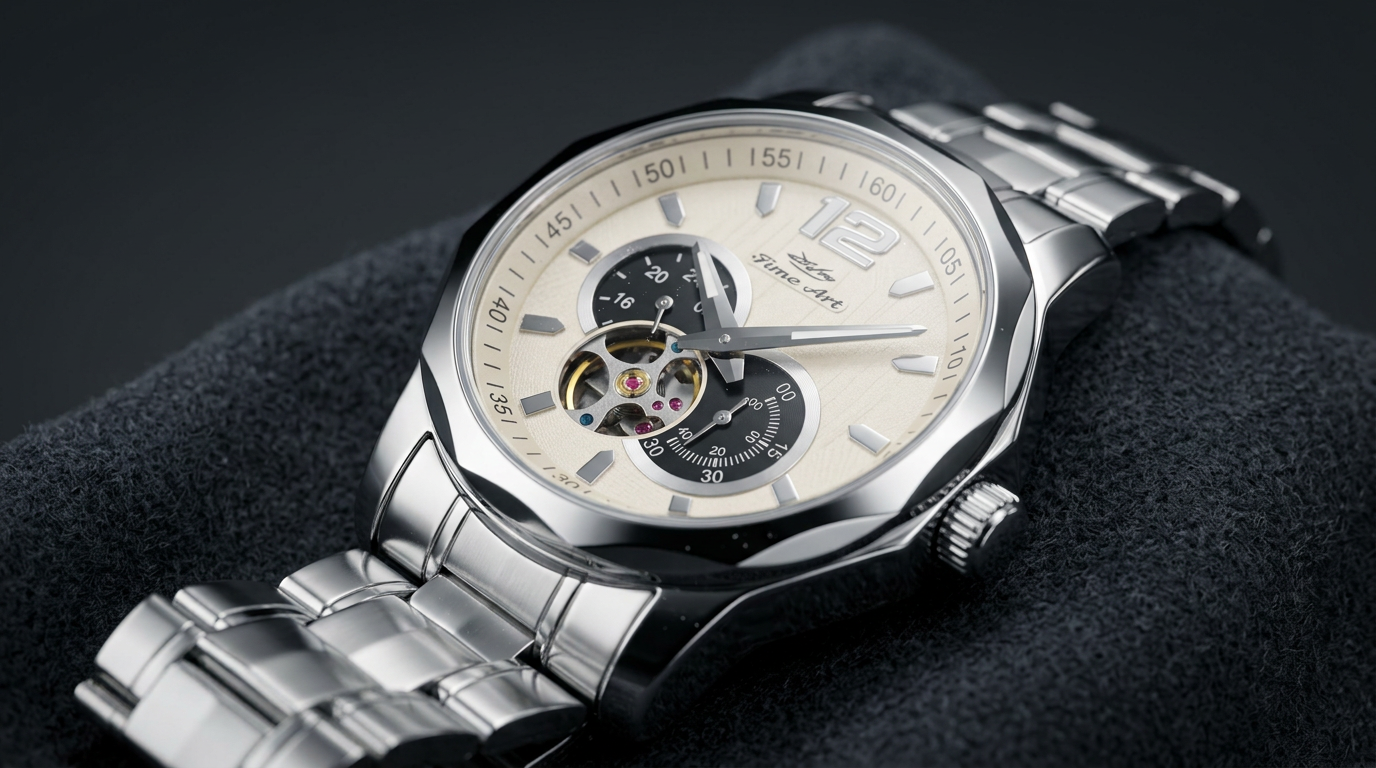
I. Stainless Steel: The Underrated All-Rounder
Many people new to watches fall into a common misconception: that the more precious the material, the higher the watch’s status. In reality, within the world of watchmaking, material alone has never been the sole measure of value.
Stainless steel’s importance in watchmaking history largely comes down to its near-ideal combination of properties:
Excellent corrosion resistance: The chromium in stainless steel forms a dense oxide layer on the surface, effectively protecting against sweat and moisture — the very source of its “stainless” name.
Moderate hardness: Strong enough to resist knocks and scratches, yet workable enough for craftsmen to shape and finish with precision.
Skin-friendly: Compared to certain alloys, stainless steel is less likely to cause allergic reactions, making it suitable for long-term wear.
These qualities have made stainless steel the standard material for sports watches, tool watches, and even many high-end dress watches.
II. 316L: The Industry Standard
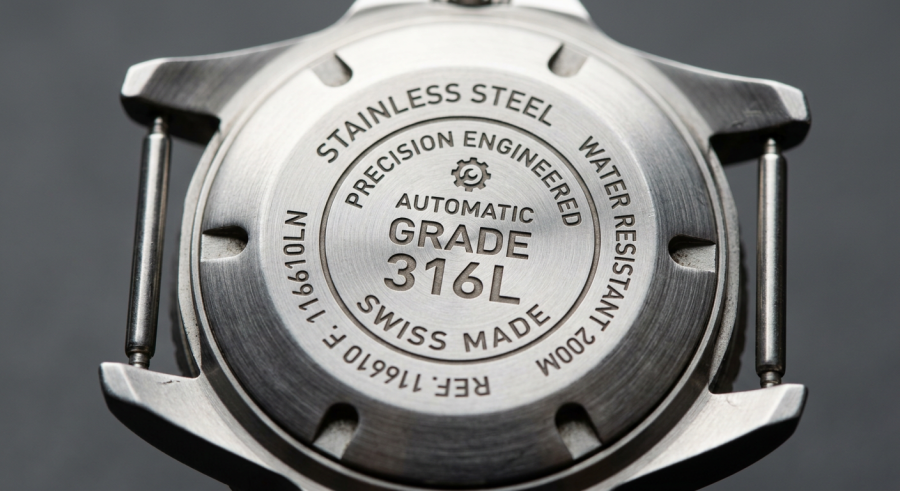
If you’ve looked into watch materials at all, you’ve likely come across the term “316L stainless steel.” This is not a marketing gimmick — it’s a genuine technical benchmark within the industry.
316L is a medical-grade stainless steel originally used widely in surgical instruments and joint implants. Compared to standard stainless steel, it contains higher proportions of nickel and molybdenum, giving it superior corrosion resistance and fatigue strength — ideal for watches worn close to the skin and occasionally exposed to sweat or seawater.
In recent years, some high-end brands have adopted 904L stainless steel, an even more advanced grade. It offers greater hardness and a more brilliant polished finish, earning it the nickname “super steel” — though it comes with higher processing difficulty and cost.
For everyday consumers, the key takeaway is simple: checking the material grade is an important way to judge how solid a stainless steel watch’s construction really is.
III. Three Common Finishing Techniques
Why do some stainless steel watches look plain while others catch the light with rich, layered textures — even when made of the same material? The answer often lies in the finishing technique.
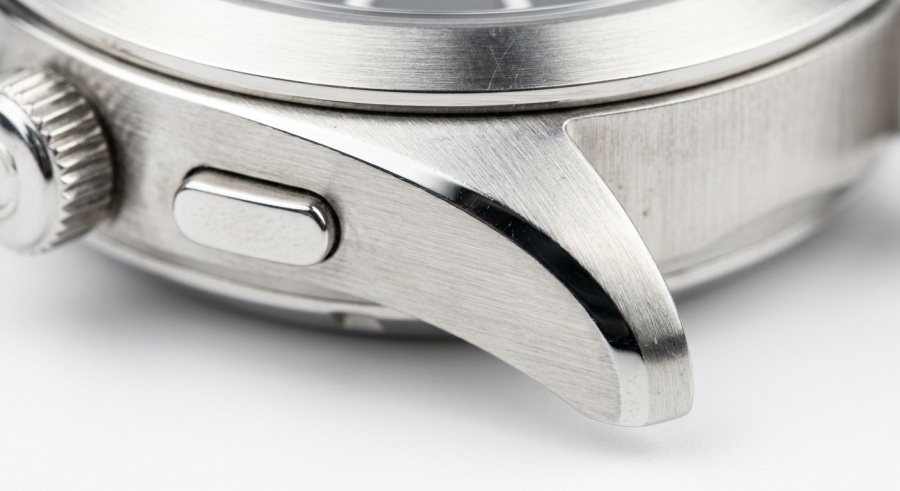
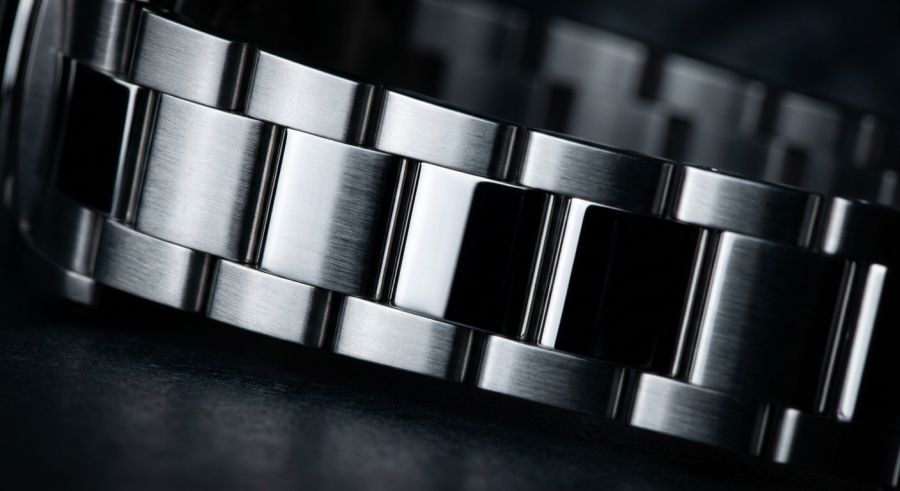
Brushed: Creates fine, parallel lines with a subtle matte look. It’s less prone to showing scratches during daily wear and is commonly used on sports watches.
Polished: Produces a mirror-like, highly reflective surface with a refined, elegant look. Often used on case sides or center bracelet links to contrast with brushed surfaces.
Sandblasted: Gives a fine, textured matte finish with an understated character, increasingly popular in tool and dive watches in recent years.
A well-crafted stainless steel watch often combines these techniques, using contrasts of light and texture to give an otherwise “plain” material a rich sense of depth — which is exactly why steel watches can vary so dramatically in both price and perceived quality.
IV. Why Seasoned Collectors Often Prefer Steel
Interestingly, many enthusiasts who initially chase gold or precious-metal watches eventually turn back to stainless steel once they gain a deeper understanding of watchmaking culture. There are roughly three reasons for this:
First, greater everyday practicality. Stainless steel offers moderate weight and high durability, making it suitable for commuting, sports, or travel without excessive worry — a watch you can genuinely wear anywhere.
Second, greater versatility. The silvery tone of steel pairs well with almost any outfit, unlike gold watches, which demand more careful styling.
Third, a different value-retention logic. In the secondary market, certain iconic steel models — due to production numbers, design, and brand heritage — are sometimes more sought-after than their precious-metal counterparts, creating the unique phenomenon of “steel being worth more than gold.”
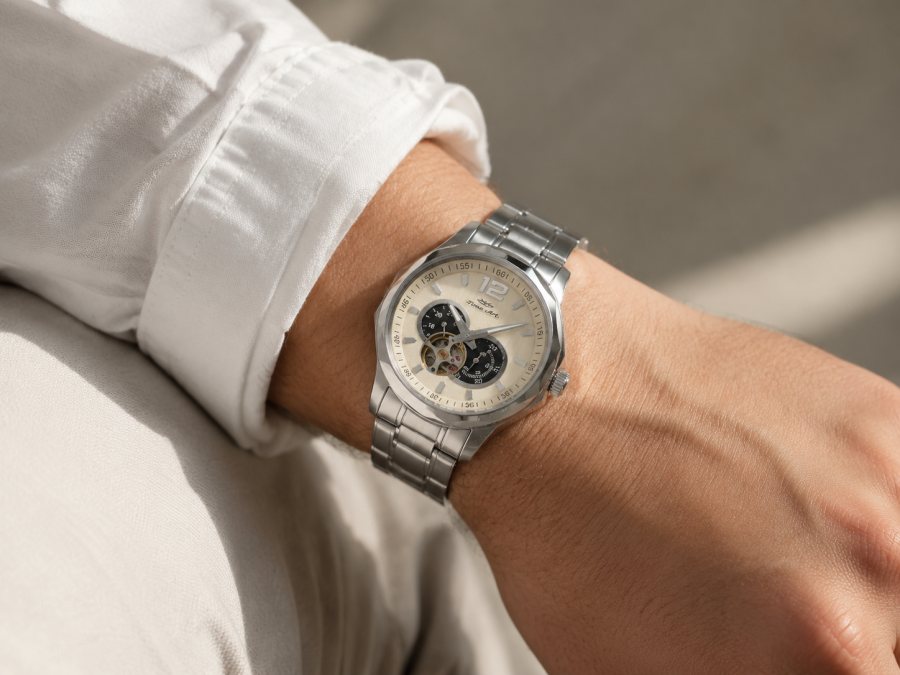
V. Daily Care Tips
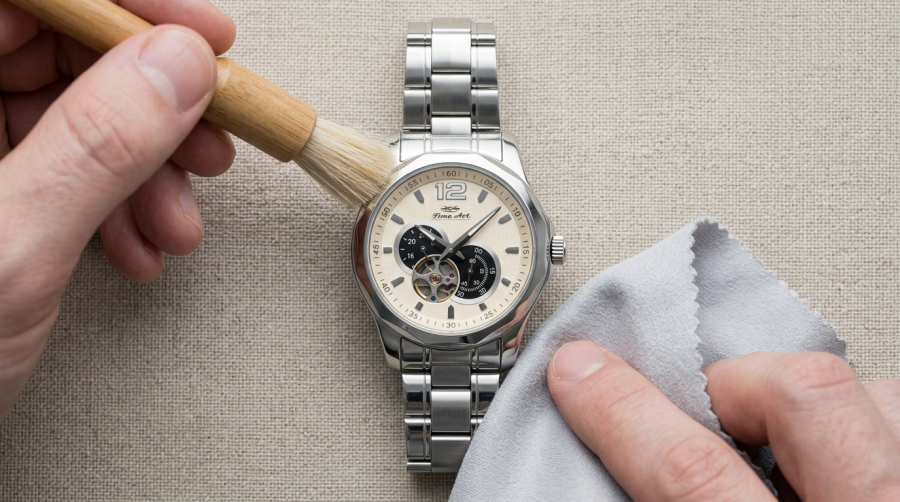
While stainless steel is tough and durable, maintaining its shine and condition over time still requires a few basic care habits:
Clean regularly: Use a soft toothbrush with a small amount of neutral cleanser to gently brush the case and bracelet gaps, then wipe dry — this effectively removes accumulated sweat and dust.
Avoid chemical exposure: Chemicals in perfume, skincare products, and disinfectants can affect the case’s surface finish over time — try to avoid spraying perfume directly near the watch.
Protect polished surfaces: Polished cases show fine scratches more easily; store watches separately in individual boxes or pouches when not worn.
Check the bracelet periodically: For steel bracelet watches, regularly check the screws or pins for looseness to prevent accidental loss.
Conclusion
A well-made stainless steel watch has never been merely a “budget compromise” — it is the result of craftsmanship, material science, and design aesthetics working in harmony. It withstands the wear of daily life and the passage of time, embodying a quiet, steadfast attitude: never seeking flashy attention, yet full of genuine care in every detail.
This, perhaps, is exactly why stainless steel watches have remained popular for over a century.
Discover more stainless steel timepieces — browse our full collection:View the MEDEO Stainless Steel Collection
