

Watch industry trends have shifted dramatically over the past few years, and 2025 is accelerating that change even further. Consumers are no longer buying watches purely for timekeeping — they’re increasingly drawn to visible craftsmanship, personalization, and the story behind a piece. In 2025, these shifts are accelerating, reshaping how brands engage with their customers.

Trend 1: Demand for Skeleton Designs Keeps Rising
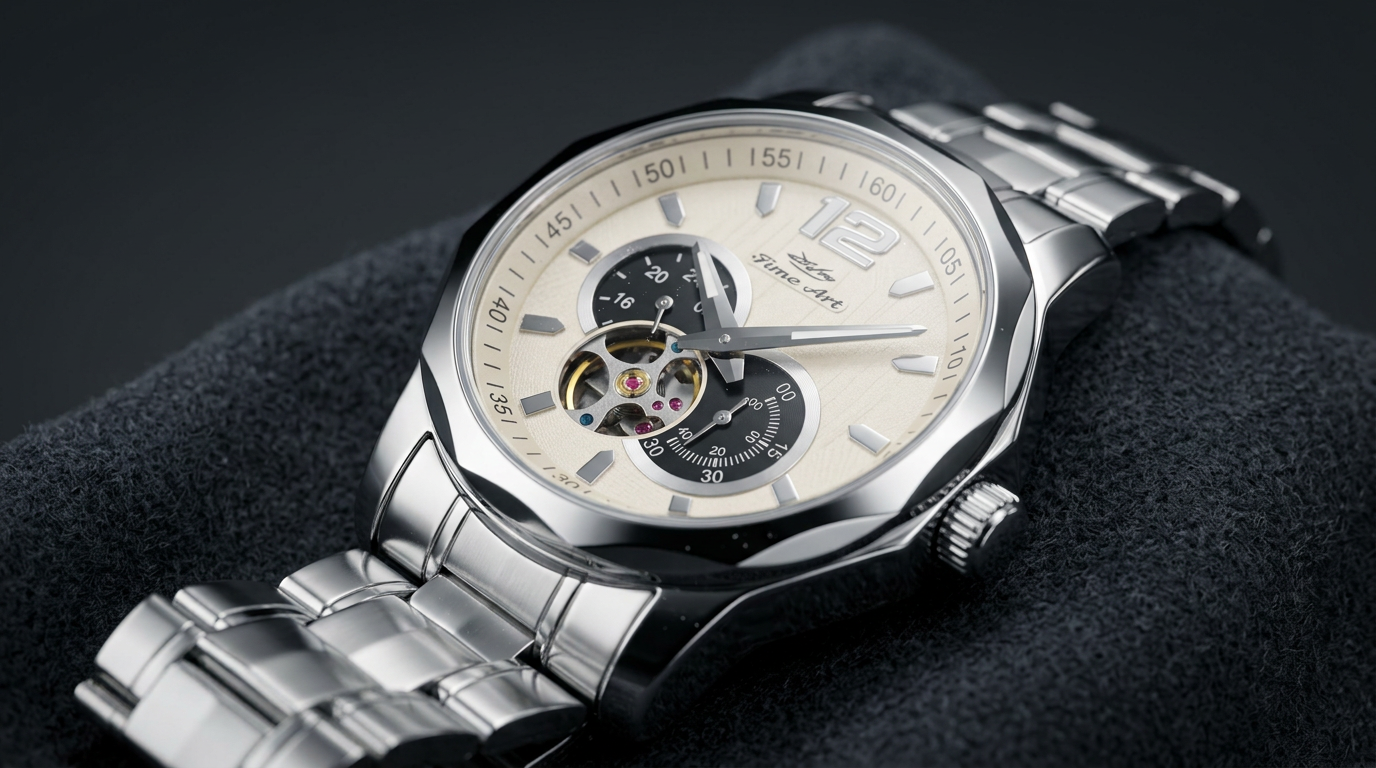
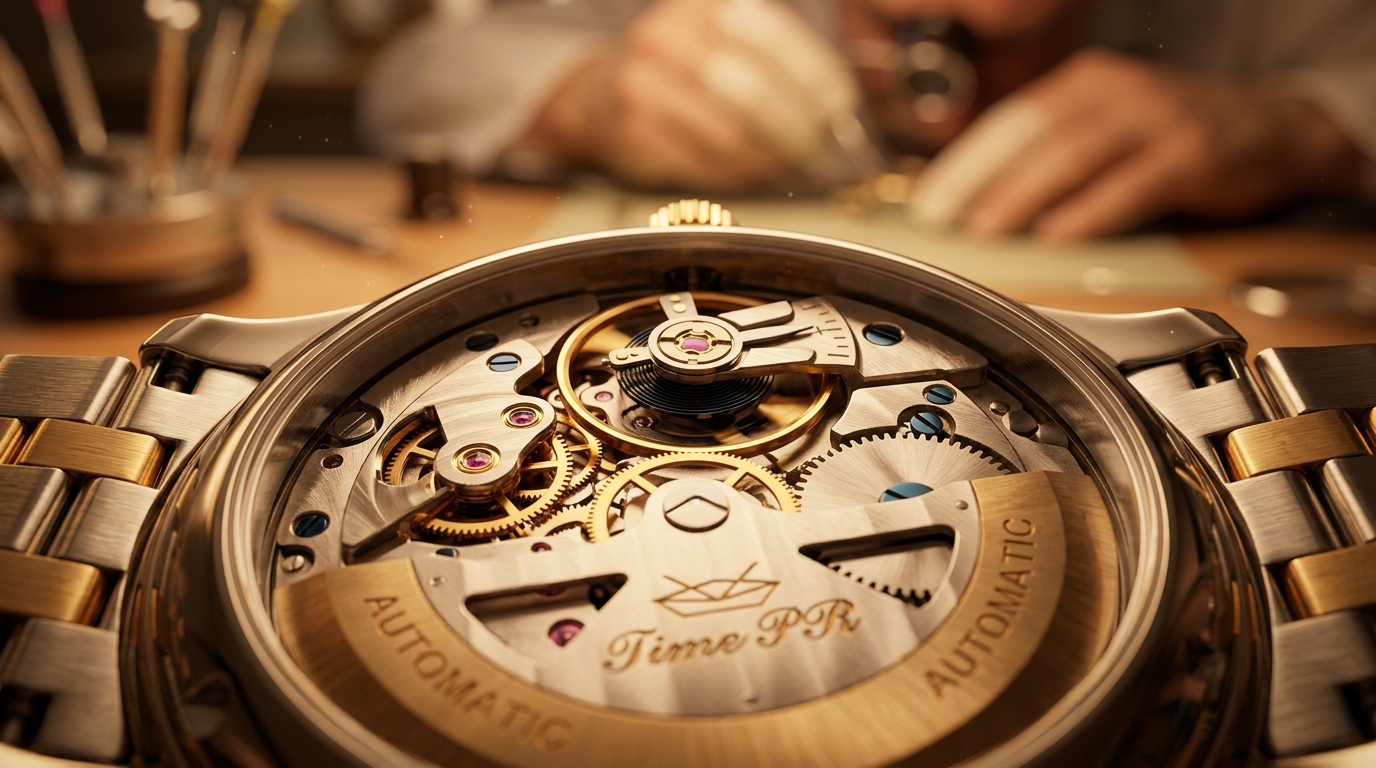
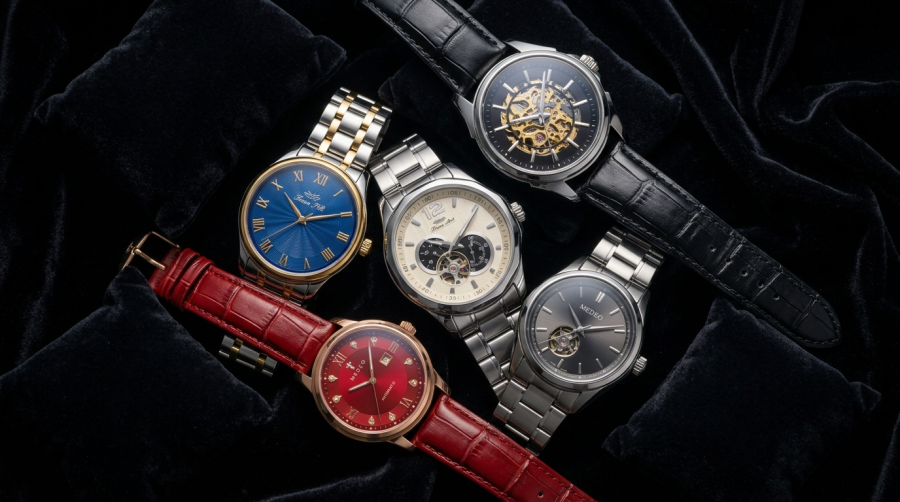
Skeleton watches have moved from a niche collector’s category into the broader consumer market. Buyers are drawn to the mechanical beauty these designs reveal — meshing gears, a ticking escapement, details once hidden beneath the dial now serve as a way for wearers to show their taste. Growing demand for skeleton watches is pushing more brands to invest further in this category.
Trend 2: Customization Moves From Exclusive to Accessible
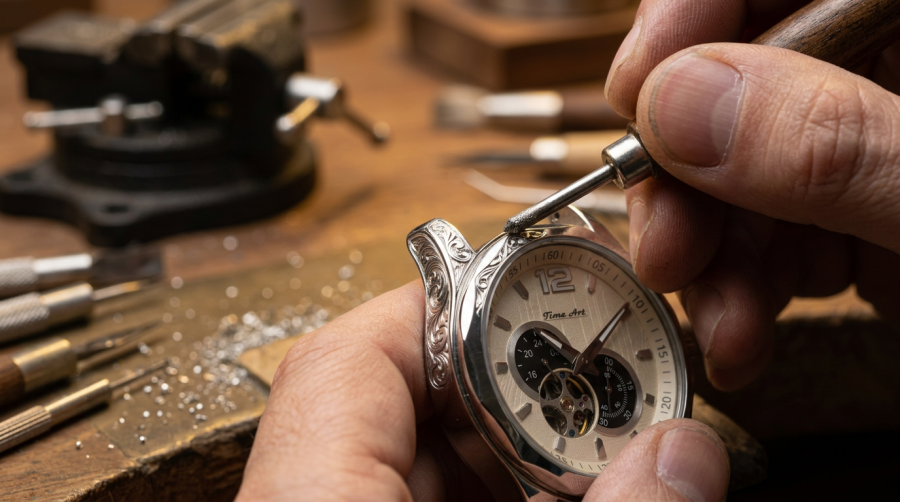
Watch customization used to mean high prices and long wait times, reserved for a small group of high-net-worth clients. In 2025, more brands are offering flexible, more affordable customization options — from dial colors to case engravings — letting everyday consumers get a piece that truly feels like their own. This shift is being driven in large part by demand for corporate gifting and personal keepsake pieces.
Trend 3: Material Upgrades Become a Key Differentiator
As consumers pay closer attention to detail, materials themselves are becoming a major competitive battleground. Sapphire crystal is a good example — offering far better scratch resistance and clarity than standard mineral glass, it’s shifting from a premium-only feature to a standard option even in mid-tier product lines. On the case side, titanium and ceramic are also gaining traction for their lightweight, durable properties.
Trend 4: Quartz and Mechanical Are Growing Together, Not Competing
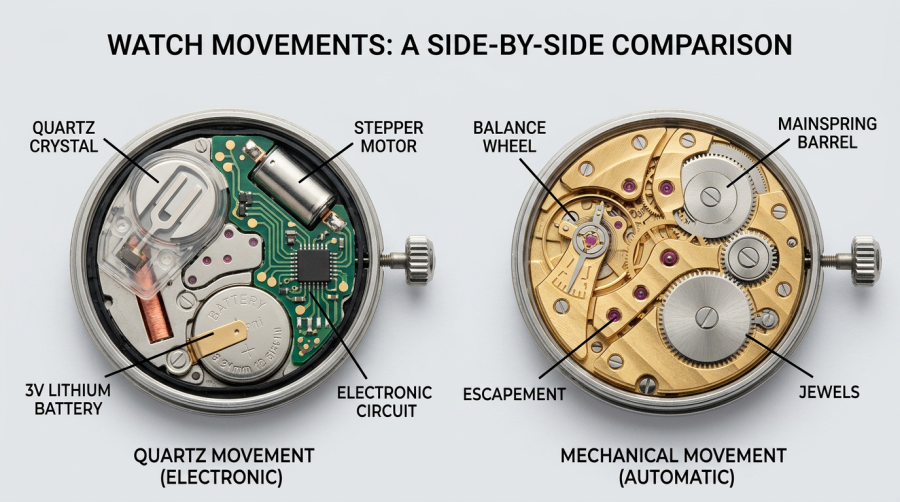
A common misconception is that the rise of mechanical watches is squeezing out quartz. In reality, the two are serving different needs: quartz watches continue to meet steady demand for daily commuting and business wear thanks to their accuracy and low maintenance, while mechanical watches attract buyers who value craftsmanship and emotional storytelling. In 2025, more brands are investing in both lines rather than betting on just one category.
Trend 5: Secondary Market and Collector Culture Keep Heating Up
Price performance of limited editions and discontinued models in the secondary market is drawing in a new group of “non-traditional collectors” — people who may not consider themselves serious watch enthusiasts, but see watches as a purchase that offers both everyday value and potential appreciation. This trend is also pushing brands to lean more heavily into scarcity and storytelling in how they launch new products.
Final Thoughts: Who Wins Consumers in 2025?
Taken together, competition in the 2025 watch industry is shifting away from brand recognition alone and toward whether a brand can deliver products and services that truly match individual consumer needs. Rising demand for skeleton designs, increasingly affordable customization, and differentiation through material upgrades — including sapphire crystal upgrades — all point to the same conclusion: the future belongs to brands willing to listen to their customers and turn that insight into products, quickly.